

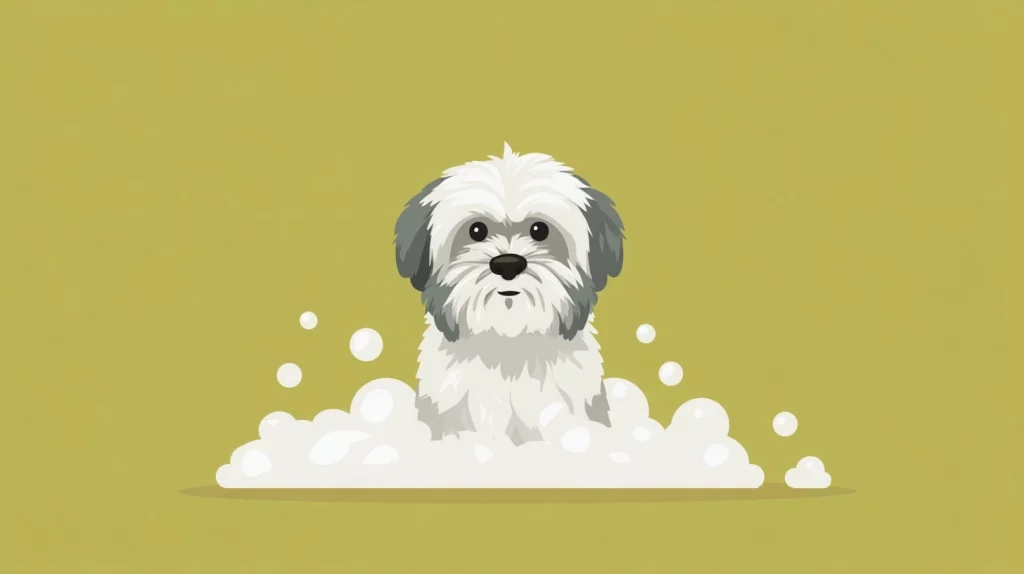
The bathing question comes up constantly among Lhasa Apso owners, and the answers you’ll find online range from “once a week” to “only when they smell.” Neither extreme is right for most dogs, and getting the frequency wrong can cause genuine skin and coat problems. So let’s cut through the noise and talk about what actually works for this breed.

The short answer: most Lhasa Apsos do well with a bath every two to three weeks. But like everything with dogs, the real answer is “it depends.” Your Lhasa’s coat length, activity level, skin condition, and lifestyle all play a part.
Why bathing frequency matters for Lhasa Apsos
The Lhasa Apso has a dense double coat that behaves quite differently from single-coated breeds. The outer coat is long, heavy, and slightly coarse, while the undercoat is softer and insulating. This combination is fantastic for keeping your dog warm, but it also means the coat traps dirt, oils, dander, and allergens much more effectively than a short-coated breed.
Bathe too infrequently and the coat becomes greasy, matted, and starts to smell. The oils that naturally protect the skin and coat build up and attract dirt. Mats form more easily in dirty, oily hair, and once they’ve set in, they’re a nightmare to remove without causing your dog discomfort. Our matting prevention guide goes into detail about why clean coats mat less.
Bathe too frequently and you strip the natural oils that keep the coat healthy and the skin protected. Overwashed Lhasas often develop dry, flaky skin, a dull coat, and increased irritation. It’s a balance, and finding the right rhythm for your dog takes a bit of trial and observation.
The two-to-three-week rule
For most pet Lhasa Apsos, bathing every two to three weeks hits the sweet spot. This is frequent enough to keep the coat clean, manageable, and good-smelling without stripping important oils. Professional groomers who specialise in the breed generally recommend this interval as a baseline.
If your Lhasa is in a shorter puppy cut or teddy bear trim, you might be able to stretch it to every three weeks comfortably. Shorter coats don’t trap as much debris and are easier to spot-clean between baths. If your Lhasa is in a longer coat, leaning toward the two-week end makes more sense because longer hair accumulates more grime and tangles faster when dirty.
Poppy gets bathed every fortnight, almost like clockwork. By day ten she still looks and smells fine. By day fourteen, she’s starting to get that distinctive “dog perfume” that tells us it’s time. Your Lhasa will have their own tipping point, and you’ll learn to recognise it quickly.
Choosing the right shampoo
This matters more than most people think. Human shampoo is a no-go. Dogs have a different skin pH to humans (around 6.2 to 7.4 compared to our 4.5 to 5.5), and using the wrong product disrupts the acid mantle that protects their skin from bacteria and irritants.
For Lhasa Apsos, look for a gentle, moisturising dog shampoo that’s free from harsh sulphates, artificial fragrances, and parabens. Oatmeal-based shampoos work well for dogs with sensitive skin, which Lhasas are prone to. If your dog has specific skin issues like allergies or dryness, your vet may recommend a medicated shampoo.
A good conditioner is worth adding to the routine, especially for longer coats. It helps detangle the hair, adds moisture, and makes post-bath brushing significantly easier. Apply it from the mid-length to the ends, avoiding the roots and skin, and leave it on for the time specified on the bottle before rinsing thoroughly.
The bathing process: getting it right
Before you even turn the tap on, brush your Lhasa thoroughly. Bathing a matted coat makes the mats worse because water causes them to tighten and felt together. Get all the tangles out first, even if it takes a while. Your future self will thank you.
Use lukewarm water, not hot. Dogs are more sensitive to water temperature than we are, and hot water can scald their skin and dry it out. Wet the coat thoroughly, working the water down to the skin through that dense undercoat. It takes longer than you’d think because the outer coat is somewhat water-resistant.
Apply shampoo and work it in with your fingertips, not your nails. Massage it through the coat in the direction of hair growth. Pay attention to the belly, legs, behind the ears, and under the tail. These are the spots that get dirtiest and are easiest to miss. Rinse thoroughly. Then rinse again. Shampoo residue left in the coat causes itching, flaking, and dullness. If you think you’ve rinsed enough, rinse once more.
Drying your Lhasa Apso properly
Drying is arguably more important than the bath itself. A Lhasa Apso’s dense double coat holds moisture like a sponge, and a damp coat is a breeding ground for bacteria, hot spots, and that distinctive wet-dog smell that lingers for days.
Towel-dry first by pressing and squeezing the coat rather than rubbing. Rubbing creates tangles and can damage the hair. Then use a hairdryer on a low heat setting, brushing through the coat as you dry. This serves double duty: it dries the coat and prevents mats from forming as the hair dries.
Never leave a Lhasa Apso to air-dry completely. The undercoat will stay damp for hours, even if the outer coat feels dry to the touch. This trapped moisture can lead to skin irritation and a musty smell. If your dog hates the hairdryer (and some do with a fiery passion), introduce it gradually with treats and praise, starting with short sessions and building up.
When to bathe more often
Certain situations call for more frequent baths. If your Lhasa has rolled in something foul (and they will, it’s practically a hobby), don’t wait for bath day. A prompt wash prevents the smell from setting into the coat and saves your furniture from becoming a crime scene.
Dogs with skin conditions or allergies may benefit from more frequent bathing with a medicated shampoo prescribed by their vet. In these cases, the shampoo is part of the treatment, and the usual concerns about over-bathing don’t apply in the same way because the products are formulated to be gentle enough for regular use.
When to bathe less often
Elderly Lhasas or those with mobility issues may find bathing stressful. In these cases, stretching the interval slightly and using dry shampoo or grooming wipes between baths can help keep them clean without the ordeal of a full bath. Always prioritise your dog’s comfort and stress levels over a rigid schedule.
During winter, when your Lhasa is spending less time outdoors and getting less dirty, you might naturally shift toward the three-week end of the range. In summer, when they’re rolling in grass and picking up pollen, two weeks is usually more appropriate.
The takeaway
Every two to three weeks is the sweet spot for most Lhasa Apsos. Use a quality dog shampoo, brush before you bathe, rinse like your life depends on it, and dry the coat completely. Adjust the frequency based on your dog’s coat length, activity level, and skin condition. And when in doubt, give it the sniff test. Your nose knows.
How often does your Lhasa get the spa treatment? Got any bath time tips or survival stories? Share them in the comments!
Important information
Information provided by LhasaLife should not be taken as professional veterinary advice or clinical advice. It is important to consult a licensed veterinarian for any health concerns or issues with your pet. The content of the article How often should you bathe a Lhasa Apso? should not be used as a substitute for veterinary care, or treatment advice for you or your pet, and any reliance on this information is solely at your own risk.
This article may contain affiliate links, meaning we may earn a small commission at no extra cost to you if you purchase through these links. Affiliate links do not necessarily imply an endorsement of the product by LhasaLife. However, we only share products we believe could be helpful to you and your beloved Lhasa Apso. Your support helps us keep the website running and full of useful content.



Comments