
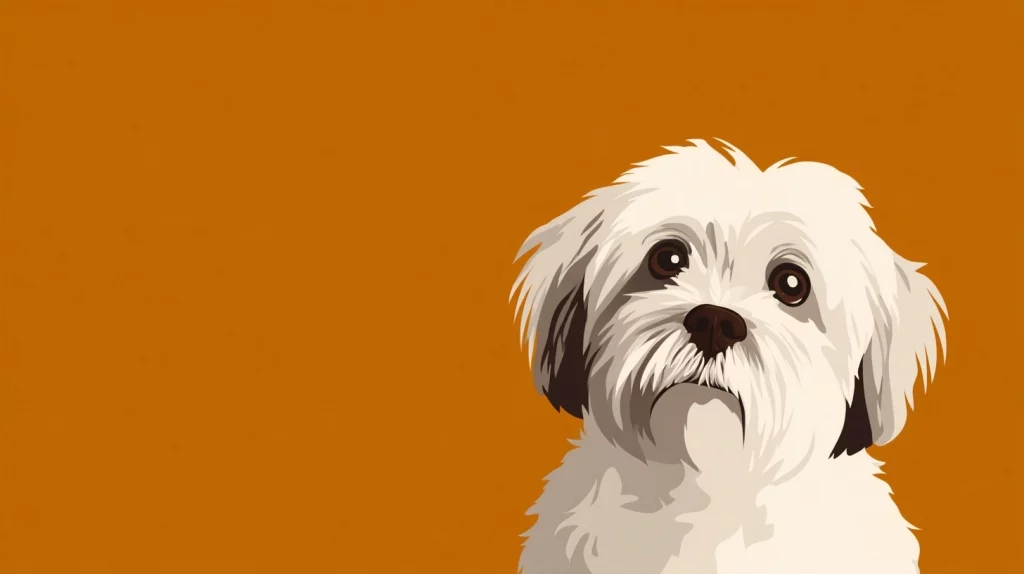
Those dark, expressive Lhasa Apso eyes are one of the breed’s most captivating features. But they’re also one of their most vulnerable. Lhasa Apsos are genetically predisposed to several eye conditions, some of which can lead to vision loss if they’re not caught early. It’s not the cheeriest topic, but knowing what to watch for can make the difference between a manageable condition and a serious one.

This isn’t meant to panic you. Most Lhasas live their entire lives without major eye problems. But the breed is statistically more prone to certain conditions than many other dogs, and being informed means you’ll spot the warning signs before they become emergencies.
Progressive retinal atrophy (PRA)
PRA is the big one for Lhasa Apsos. It’s an inherited condition where the photoreceptor cells in the retina gradually deteriorate, leading to progressive vision loss and eventually blindness. The Kennel Club recognises PRA as a known issue in the breed and recommends that breeding dogs are tested before mating.
The early signs are subtle. Most owners first notice their dog hesitating in dim light, bumping into furniture in unfamiliar dark rooms, or becoming reluctant to go outside at night. The pupils may appear more dilated than usual, and you might notice a greenish reflection from the eyes in low light. As the condition progresses, daytime vision is affected too.
There’s currently no treatment or cure for PRA. The progression varies, with some dogs losing vision over months and others over years. The silver lining, if you can call it that, is that dogs adapt remarkably well to vision loss when it happens gradually. They map their environment using smell and memory, and most blind dogs handle familiar homes with surprising confidence. Keeping furniture in the same positions and using scent markers near stairs or doorways helps enormously.
Cataracts
Cataracts cause the lens of the eye to become cloudy, blocking light from reaching the retina. They can develop at any age in Lhasa Apsos, though hereditary cataracts tend to appear earlier than the age-related type seen in older dogs of all breeds.
You’ll see cataracts as a whitish or bluish opacity in the eye. Don’t confuse this with nuclear sclerosis, a normal age-related hardening of the lens that also causes a greyish-blue appearance. Nuclear sclerosis doesn’t significantly affect vision; cataracts do. Your vet can tell the difference with an ophthalmoscope.
Surgery to remove cataracts is available and has a good success rate (around 90% of dogs regain functional vision), but it’s expensive, typically costing £2,000 to £4,000 per eye. Not all cataracts require surgery. Small ones that don’t significantly impair vision may simply be monitored. Your vet or a veterinary ophthalmologist can advise on whether surgery is appropriate for your dog’s specific situation.
Dry eye (keratoconjunctivitis sicca)
Dry eye occurs when the tear glands don’t produce enough tears to keep the eye lubricated. Without adequate moisture, the cornea becomes dry, irritated, and vulnerable to ulcers and infections. Lhasa Apsos are among the breeds most commonly affected.
Symptoms include thick, yellowish-green discharge from the eyes, redness, squinting, frequent blinking, and a dull appearance to the eye surface. Left untreated, dry eye causes scarring of the cornea that can permanently impair vision. The discharge is often mistaken for conjunctivitis, so if your Lhasa has recurring “eye infections,” dry eye should be investigated.
Treatment typically involves lifelong eye drops that stimulate tear production (cyclosporine or tacrolimus) combined with lubricating drops to supplement the tears. Most dogs respond well to treatment and maintain comfortable, functional eyes for years. The key is consistency with the drops, which becomes part of the daily routine fairly quickly.
Glaucoma
Glaucoma is increased pressure within the eye caused by a buildup of fluid that can’t drain properly. It’s painful and can cause rapid, irreversible damage to the optic nerve. Lhasa Apsos have a higher-than-average risk of primary glaucoma, which develops without an obvious underlying cause.
Acute glaucoma is a veterinary emergency. Signs include a suddenly painful eye (squinting, pawing at the face, crying), a visibly enlarged or bulging eye, cloudiness, redness, and a fixed, dilated pupil. If you see these signs, get to a vet immediately. Delays of even a few hours can mean the difference between saving the eye and losing it.
Chronic glaucoma develops more slowly and may be harder to spot initially. Regular eye pressure checks during vet visits can catch it early. Treatment options include pressure-reducing eye drops, laser therapy, and in severe cases, surgery. If the eye is blind and painful, removal (enucleation) may be recommended to relieve suffering. It sounds drastic, but dogs adjust quickly and live perfectly happy lives with one eye. Cleaning Poppy’s eye area is part of the daily routine now, and she tolerates it with the weary patience of someone who knows resistance is futile.
Cherry eye
Cherry eye is the prolapse of the third eyelid gland, which appears as a red, round lump in the inner corner of the eye. It looks alarming but isn’t painful. It occurs when the ligament holding the gland in place weakens, allowing the gland to pop out.
While cherry eye is more commonly associated with breeds like Bulldogs and Cocker Spaniels, Lhasa Apsos can be affected too. The treatment is surgical repositioning of the gland. Removal of the gland was once standard practice but is now avoided because the gland produces a significant portion of the eye’s tear film. Removing it dramatically increases the risk of dry eye later in life.
Corneal ulcers
A corneal ulcer is a scratch or erosion on the surface of the eye. Lhasa Apsos are predisposed to these because of their prominent eyes and the facial hair that can irritate the corneal surface. A stray hair rubbing against the eye, a scratch from a bush on a walk, or even vigorous face-rubbing can cause an ulcer.
Signs include squinting, watery eyes, redness, pawing at the eye, and visible cloudiness over the affected area. Superficial ulcers heal within a few days with antibiotic eye drops. Deeper ulcers may need more aggressive treatment. If your Lhasa is squinting or their eye looks off, don’t wait to see if it improves. Eye problems can deteriorate quickly, and a vet visit sooner rather than later is always the right call.
Keeping your Lhasa’s eyes healthy
Daily eye checks take seconds and can catch problems early. Look for discharge, redness, cloudiness, swelling, or any change in the appearance of the eyes. Wipe away any crusty discharge with a damp cotton pad, using a separate pad for each eye to avoid cross-contamination.
Keep the facial hair trimmed or tied back so it doesn’t irritate the eyes. If you maintain a longer grooming style, a top knot keeps hair clear of the eyes. If your Lhasa rubs their face on furniture or carpets regularly, check that their eyes aren’t irritated.
Annual vet check-ups should include an eye examination. For Lhasas over seven, asking for an eye pressure check (tonometry) is worth discussing with your vet, particularly given the breed’s glaucoma risk. If your Lhasa is from a breeder, ask whether the parents were eye-tested under the BVA/KC Eye Scheme. Responsible breeders screen for hereditary eye conditions.
Has your Lhasa had any eye issues? What worked for you? Sharing experiences helps other owners spot problems early, so drop your story in the comments.
Important information
Information provided by LhasaLife should not be taken as professional veterinary advice or clinical advice. It is important to consult a licensed veterinarian for any health concerns or issues with your pet. The content of the article Lhasa Apso eye problems: what every owner should know should not be used as a substitute for veterinary care, or treatment advice for you or your pet, and any reliance on this information is solely at your own risk.
This article may contain affiliate links, meaning we may earn a small commission at no extra cost to you if you purchase through these links. Affiliate links do not necessarily imply an endorsement of the product by LhasaLife. However, we only share products we believe could be helpful to you and your beloved Lhasa Apso. Your support helps us keep the website running and full of useful content.





Comments