

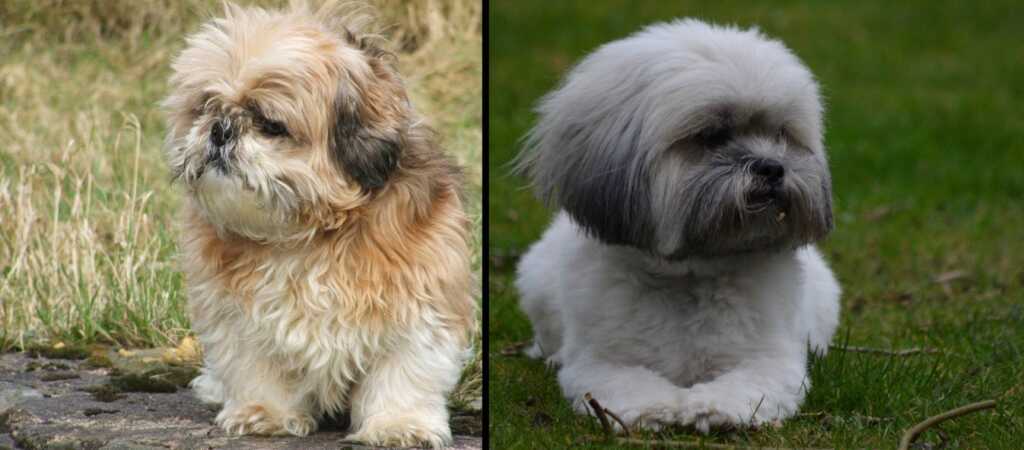
Lhasa apso vs Shih Tzu: The definitive comparison
You’d think it would be easy to tell them apart. You’d be wrong.
Poppy gets mistaken for a Shih Tzu at least twice a week. Some well-meaning dog walker will coo, “Oh, what a beautiful Shih Tzu!” And we have to smile politely and explain (for the hundredth time) that she’s a Lhasa Apso. These two breeds are like cousins who show up to family gatherings in nearly identical outfits. Fluffy? Check. Small? Check. That striking fringe of hair that makes them look perpetually surprised? Double check.
But here’s the thing: once you’ve lived with a Lhasa, you’ll understand why the comparison gets under the skin of every Lhasa owner. They’re fundamentally different dogs. The Shih Tzu was bred to be an emperor’s lapdog. The Lhasa? Born in Tibetan monasteries as a guard dog. That changes everything.
We’re going to walk you through the real differences between these two breeds, not the sanitised Kennel Club stuff, but the actual, day-to-day differences you’ll experience as an owner. Because choosing between these two will shape your life for the next 12-15 years.
Quick comparison: at a glance
| Feature | Lhasa Apso | Shih Tzu |
|---|---|---|
| Original purpose | Tibetan monastery guard dog | Imperial Chinese lapdog |
| Size | 10-11 inches, 6-7kg | 9-10.5 inches, 4.5-8kg |
| Coat type | Long, heavy, weather-resistant | Long, silky, less structured |
| Temperament | Independent, aloof, discerning | Affectionate, social, people-pleaser |
| Training | Can be stubborn; responds to consistency | Eager to please; easier to train |
| Living space | Adaptable; doesn’t need constant attention | Adaptable; thrives on companionship |
| Energy level | Moderate; content to patrol rather than play | Low to moderate; happy lounging |
| Grooming demand | High (weekly brushing important) | Very high (daily brushing) |
| Health issues | Hip dysplasia, eye problems | Breathing issues, eye problems |
| Cost (UK) | £800-£1,500 | £1,000-£2,000 |
Where they come from (and why it matters)
The Lhasa Apso’s origins explain everything about why they’re so beautifully stubborn.
In the Buddhist monasteries of Tibet (we’re talking centuries back), these little dogs guarded monks and their sacred spaces. They weren’t cuddly companions. They were sentinels. While the bigger mastiffs patrolled the grounds, Lhasas worked the inside, alert to every footfall, every potential intruder. They learned to judge who belonged and who didn’t. They learned that their opinion mattered.
This legacy lives in every Lhasa alive today. Poppy doesn’t guard a monastery, but she absolutely guards our home. She positions herself on the sofa with a direct line of sight to the front door. When someone knocks, she announces it with purpose, not hysteria, but a clear “I’ve noted this development.” She’s discerning about who gets her trust. Some visitors get a tail wag; others get assessed from six feet away while she decides if they’re worth the effort of friendship.
The Shih Tzu story is completely different. These dogs were imperial palace pets in China, bred specifically to be companions to emperors and nobles. They were lap warmers, status symbols, tiny furry jewels. Their whole evolutionary purpose was to love and entertain humans. A Shih Tzu doesn’t assess whether you deserve their affection; they assume everyone deserves it equally and immediately.
This matters more than you’d think. A Lhasa will tolerate your guests. A Shih Tzu will befriend them within seconds.
Physical differences: beyond the fluff
OK, so they look similar. They’re both small, fluffy, and equipped with hair that grows relentlessly. But the differences are real, and once you know them, you’ll spot them instantly.
The face and expression
A Lhasa has a longer muzzle, not dramatically, but noticeably. Their face is more rectangular, with a strong nasal bone and a pronounced stop (the indent between the eyes). They have a slightly undershot bite, which gives them that contemplative, slightly knowing expression. Their eyes are small and dark, set somewhat forward, giving them a sharp, alert look.
A Shih Tzu’s face is rounder and flatter. Their muzzle is shorter and broader. Their eyes are bigger, rounder, and sit more prominently in the head, giving them that perpetually startled, toy-like expression. There’s more “baby” in the Shih Tzu face. It’s designed to trigger our nurturing instinct.
This isn’t cosmetic. The Lhasa face says, “I’m watching you.” The Shih Tzu face says, “Are you my friend?”
The coat
Here’s where the confusion really happens, because both breeds have long coats. But they’re fundamentally different.
The Lhasa coat is dense and weather-resistant, with a heavier texture. When you run your hand through a Lhasa’s coat, it parts into sections. Each hair is straight and substantial. The undercoat is thick, almost woolly. This is a coat designed to protect a dog in harsh Himalayan conditions. It has structure and weight to it.
The Shih Tzu coat is silkier and lighter. It doesn’t have the same weather-resistant quality. The hair is finer and tends to tangle more easily. It’s beautiful, but it’s not built for survival; it’s built for showing off.
Size
Both breeds are small. But Lhasas tend toward the sturdier end of that scale. A healthy adult female Lhasa usually sits around 6-7kg, while Shih Tzus are often 4.5-6kg. This might sound like splitting hairs (pun intended), but it makes a difference in how they feel in your hands and how they move.
Temperament: the personality chasm
This is where the real difference lives.
A Lhasa Apso is independent to the point of being aloof. They love their family with a quiet loyalty that can catch you off guard, but they’re not demanding about it. Poppy doesn’t need constant attention. She’s perfectly content to do her own thing: survey the garden, observe the neighbors from the window, nap for six hours without checking if we still exist.
She prefers your company, but she doesn’t require it. This can come across as indifference, but it’s not. It’s self-sufficiency. She trusts that we’ll be here. She doesn’t need constant reassurance.
Training a Lhasa requires understanding this independence. They’re intelligent (genuinely clever), but they’ll only obey commands they’ve decided are reasonable. Poppy knows at least twenty commands, but she executes them on her timeline, especially during training sessions. “Sit” might happen immediately, or she might take a moment to consider whether the treat justifies the effort. It’s not defiance; it’s negotiation.
The Shih Tzu, by contrast, is a people-pleaser. They’ve been bred for centuries to live for human approval. They’re eager, affectionate, and responsive. A Shih Tzu wants to know you’re happy. They’ll follow you from room to room. They live for those moments of connection. Training is usually easier because they want to cooperate.
This also means Shih Tzus can suffer more from separation anxiety. They’re not designed to be left alone. A Lhasa will sigh and have a nap. A Shih Tzu might genuinely struggle with the separation.
Living with each breed
Exercise and activity
Both breeds are small, so people assume they need minimal exercise. Not quite.
Lhasas are moderately active. Poppy enjoys a good walk, but she’s just as happy to patrol the house and garden. She doesn’t need rigorous exercise to be content. Twenty to thirty minutes of walking a day keeps her satisfied. The mental stimulation of patrolling her territory probably matters more than the physical exertion.
Shih Tzus have similar needs, but they’re more likely to be content as pure lap dogs. They’ll exercise if you want them to, but they’re genuinely happy to lounge. That said, they do need regular walks for sanity and health, but they’re just less bothered about missing them than a Lhasa might be.
Grooming realities
We need to be brutally honest here: both breeds require serious grooming commitment.
A Lhasa needs brushing at least weekly, ideally twice a week. The coat mats quickly without regular maintenance. Every six to eight weeks, they need a professional groom (or you do it yourself if you’re skilled and have the time). Many owners keep their Lhasas in a short “puppy cut” for practicality, which is totally valid.
Shih Tzus need daily brushing if you’re keeping them in full coat. Daily. This isn’t exaggeration; it’s reality. Their silkier coat tangles faster. Most Shih Tzu owners end up doing regular professional grooming, every four to six weeks. Some keep them clipped short because the maintenance of full coat is genuinely intensive.
If grooming isn’t in your life plan, consider a different breed entirely.
Health and veterinary care
Lhasas tend toward hip dysplasia and eye problems, particularly dry eye and progressive retinal atrophy. They’re generally hardy dogs, but preventative eye care is important. A good annual check-up with an eye focus is smart.
Shih Tzus have similar eye issues, but they’re also prone to breathing problems due to their flatter faces. This is serious. They’re more heat-sensitive than Lhasas and need careful management in warm weather. Some Shih Tzus develop patellar luxation (knee problems) due to their small size.
Neither breed is catastrophically unhealthy, but they’re not maintenance-free either.
Which one is right for you?
Choose a Lhasa if you want a dog with personality and independence. You want a companion who makes their own decisions and isn’t clingy. You like the idea of a dog that doesn’t follow you from room to room, desperate for your attention. You’re committed to regular grooming. You appreciate a dog that will respect your boundaries while remaining deeply loyal.
Choose a Shih Tzu if you want a devoted companion who thrives on human interaction. You want a dog that loves everyone equally. You’re happy with intensive grooming or regular professional care. You prefer a dog that’s eager to please and responsive to training. You want a lap dog that genuinely wants to be on your lap.
Neither choice is wrong. They’re just different. And once you understand those differences, the choice becomes obvious.
Are they actually related?
Not closely. The Lhasa Apso and Shih Tzu are both ancient Asian breeds, but they developed separately in different regions. The Lhasa comes from Tibet, the Shih Tzu from China. They may have shared ancestors somewhere in antiquity, but they’ve been distinct breeds for centuries. The confusion exists because Western breeders sometimes didn’t differentiate between them, but modern breed standards are clear: they’re separate breeds with different purposes and characteristics.
Which is better with children?
The Shih Tzu generally edges this one. They’re sturdier than their size suggests and more enthusiastic about interaction. They’re less likely to be annoyed by the chaos that children bring.
That said, a well-socialised Lhasa can be wonderful with kids. They’re just more selective about it. Poppy is brilliant with certain children and tolerates others. She’ll engage when she decides the child is worth her time.
Neither breed is ideal for very small children simply because of their small size and fragility. A toddler’s grab or trip could injure them.
Do they shed?
Yes, both shed. Contrary to popular belief, they’re not hypoallergenic. The heavy grooming requirement exists partly because they shed, and you’re managing that shed hair before it ends up everywhere. Lhasas shed seasonably; Shih Tzus shed year-round but less dramatically. If you have severe allergies, neither is the right dog.
How much do they cost in the UK?
A Lhasa Apso from a reputable breeder usually costs £800-£1,500. A Shih Tzu tends toward the higher end: £1,000-£2,000. These prices reflect the breeder’s care, health testing, and reputation. Cheap puppies from unknown sources often come with hidden health or behavioural issues. You’re not just buying a puppy; you’re buying the breeder’s years of knowledge and care.
Rescue dogs exist in both breeds, and adoption is often cheaper while supporting dogs in genuine need.
Final word
The Lhasa Apso vs Shih Tzu question isn’t really about which is “better.” It’s about which personality suits your life.
One is a guardian who’s chosen you as their responsibility. The other is a friend who loves you unconditionally and immediately. Both are brilliant. Both will enrich your life for over a decade. The only wrong choice is picking one without understanding what you’re actually getting.
Poppy’s been our choice, and we wouldn’t trade her contemplative, slightly sarcastic nature for anything. But that’s us. Your choice might be different, and that’s perfectly fine.
Want to dig deeper?
Read more about Lhasa Apso grooming essentials or explore our complete guide to Lhasa Apso health. Still deciding? Check out our puppy buying guide.
Got a Lhasa or a Shih Tzu? Tell us your experience in the comments. We love hearing real stories from real dog parents.
Important information
Information provided by LhasaLife should not be taken as professional veterinary advice or clinical advice. It is important to consult a licensed veterinarian for any health concerns or issues with your pet. The content of the article Lhasa Apso vs Shih Tzu: the definitive comparison should not be used as a substitute for veterinary care, or treatment advice for you or your pet, and any reliance on this information is solely at your own risk.
This article may contain affiliate links, meaning we may earn a small commission at no extra cost to you if you purchase through these links. Affiliate links do not necessarily imply an endorsement of the product by LhasaLife. However, we only share products we believe could be helpful to you and your beloved Lhasa Apso. Your support helps us keep the website running and full of useful content.


I have a Lhasa and a Shorkie (Shih and Yorkie mix) and when they are due to have a date at the groomers, they are often thought to be the same breed. Beyond their personality differences, the biggest standout for me is that Lhasa’s are bigger, but due to their smaller skeletal structure they appear slimmer. This is 100% true with my fur babies! More than one trip to the vet scale has had me dumbfounded because I thought for sure Cilly (Shorkie) weighed more than Cole (Lhasa) but every time Cilly weighs less, even if just a few pounds.
Hi Randa
Thank you for writing to us with details of your lovely dogs Cilly the Shorkie and Cole the Lhasa. We love to hear readers comments on our published articles.
Generally speaking, the Lhasa is marginally heavier than the Shih Tzu even though it has a more delicate frame. It is just that the Lhasa is a slightly bigger dog.
Thanks again for your contribution
Thank you for this helpful article. We sometimes question our dog’s breed because so many websites use the same stock photos but label them not just Lhasa Apso or Shitz Zhu, but also Havanese. Teddy Bear, etc. We adopted her from a family who told us she’s a Lhasa, and our vet agreed. Her size (a consistent 16 pounds), eyes and face shape seem to confirm that. But she almost never barks except at a door bell or snow plow noise, she is incredibly friendly with strangers and children, her hair has a slight wave, and she has no center part. Whatever she is, she’s the best dog ever. :)
Yes, we have an older shih tzu, Bebe who will turn 14 in Dec., and Mui Mui, a Lhasa Apso who will turn 7 in August. Both are females, and both are like night and day. As stated in many articles, the differences between the two clearly distinguishes shih tzus’ and Lhasa apsos’ physical, temperament, personality, and breed specific characteristics. Truth be told: we were amazed that
Mui Mui was advertised as a shih tzu when we bought her, but as she grew, we wondered if she
were of another breed similar to BeBe. Alas, we are happy to have both as companions, and their
respective nicknames are ‘Snow White princess’ (BeBe) and Ms Lovely (Mui Mui)!
I think my dog might be a cross of a Shih Tzu and a Lhasa Apso. His head is that of a Lhasa Apso and a fine single coat that parts over his head but his fur isn’t dead straight and has a slight wave. People think he is crossed with a bichon but that has been ruled out. Our vet did a full sinspection based on frame, coat etc and he said shih tzu but looking at the photo above, he face is more lhasa. Is it possible to have a Tzu with a more longer snout?
Hi there Nicola. Thanks for your reply. It’s always interesting to see when dogs show characteristics of two breeds. A longer snout is usually seen in Lhasa dogs. It’s certainly possible though, to have varying characteristics. I’d say your vet is probably best placed to determine the dog’s breed but it is very easy to get the exact classification wrong. Please feel free to email us at contact@lhasalife.com and attach a photo.
I have Lhasas and while they are certainly sentinel dogs, they are also *quite friendly and eager to play with visitors to our home, even if they’ve never met them before. One person told me almost three years ago that they were thinking about getting a Lhasa but backtracked and said she didn’t want an unfriendly dog. Looking at my batch, I have absolutely NO idea where the ‘unfriendly’ tag comes in!
I have Shih tzu with papers stating he is all Shih tzu
My Shi tzu weighs 18 pound with a sturdy build . From what I have read have read his personality appears to be more Lasa than Shih Tzu and people often think he is a Lada because of his size. My question is can a Shi Tzu inherit Lasa traits since the Shih Tzu breed originated from crossing breeding a Lasa Apso and a Pekeines?
I am now on my third generation of Lhasa Apso , not related, and we live together 24/7. My first lived to 19 and my last pair made 16 and 17 and these were litter sisters. My current pair, again litter sisters, are now 7 making 43 years in total. They are great companions loyal and tough. My Molly takes on any perceived threat to me and has never backed down however big or noisy the other breed.
We have a lovely 5 year old Shih Tzu called Reg. He has a fantastic temperament and is kind and
loving. He welcomes strangers after he has checked them out and passed them as safe. He tells me its walk time by sitting in front of me and singing until I get up and say c’mon then walkies at which point he races to the door. He loves a cuddle and a play fight with his toys. He will lie on his back and stretch his legs -back and neck for 5 mins and then invite us to rub his belly and chest whilst moaning and grunting his approval. HE snores and makes noises when he dreams.He goes to bed about 10pm and that it till 8.30-9.00am.
He’s a wonderful chap and we love him dearly. He is very clever and sometimes I think he thinks he is one step ahead of us !sometimes we know he is.
we have had our lhasa apso bitch from 9 weeks old and she is now 18 months old. she is called trixibelle or just trixi to her friends. she is very loyal and friendly,yet quite aloof with strangers when i take her for a walk and she tends to ignore other dogs and if they run up to her she just stands quite still and never growls or snaps but simply waits till they go on their merry way. also after about ten minutes of walking she stands on her back legs nuzzles my hand and takes me back to the car(which she loves riding in, i have never before owned a dog who is so well behaved in a car as trixi). she very rarely barks when away from the house but boy does she like the sound of her own voice when at home. we also have a male tuxedo cat called bing who is a year older than trixi and was with us before trixi was born. hilarious chases and the odd punch up between them but every morning they both rub and kiss each other and even share the odd snack together. im 64 and have congestive heart failure so am at home most of the time and my trixi is my constant daytime and evening best pal.i love her unconditionally.