

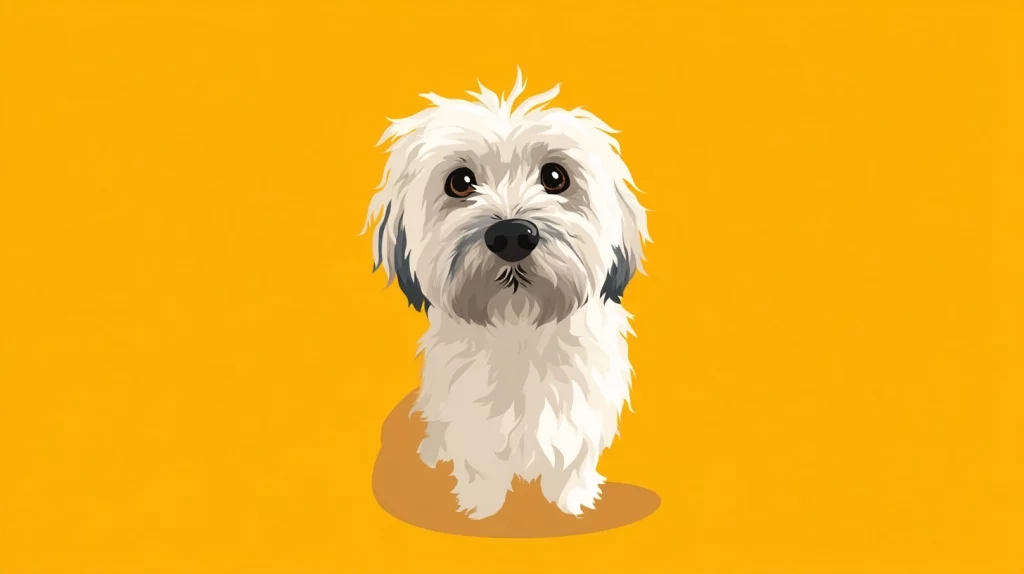
Lhasa Apsos are lickers. There is no polite way around it. They lick your hands, your face, the sofa cushions, the carpet, their own paws, and occasionally the air itself as if they have found an invisible ice cream cone. If you own a Lhasa, you have almost certainly sat there watching them lick something and thought, “What on earth are you doing?”
The good news is that most licking is completely normal. The less good news is that sometimes it is worth paying attention to. Here is what is going on.
Affection and bonding
The most common reason your Lhasa Apso licks you is simple: they love you. Licking releases endorphins in dogs, making them feel calm and happy. It is also a leftover behaviour from puppyhood, when pups lick their mother’s face to encourage feeding. When your Lhasa licks your hand or your face, they are saying “you are my person and I feel safe with you.”

Poppy is a champion face-licker. The moment you sit down at her level, she is there with a tongue that seems three sizes too big for her mouth, making sure every inch of your chin has been thoroughly attended to. It is disgusting and endearing in equal measure.
You taste interesting
Dogs experience the world through their nose and mouth. Your skin is covered in salt, oils, and traces of whatever you have been eating or touching. To your Lhasa, you are basically a walking buffet of fascinating flavours. That post-gym lick fest? You are saltier than usual. Just had lunch? Your fingers are now the most interesting thing in the room.
Attention-seeking behaviour
Lhasa Apsos are clever. If licking you has ever resulted in you laughing, talking to them, or giving them a fuss, they have filed that information away permanently. Licking gets a reaction. Reactions are good. Therefore, more licking.
This is one of those behaviours that we accidentally reinforce all the time. If your Lhasa’s licking has got out of hand, it is worth thinking about whether you are inadvertently rewarding it every time it happens.
Anxiety or stress
Repetitive licking, especially of surfaces like floors, walls, or furniture, can be a sign of anxiety or stress. If your Lhasa Apso is licking the same spot over and over, or licking surfaces excessively when nothing obviously tasty is there, it is worth considering whether something is bothering them.
Changes in the household, being left alone for long periods, loud noises, or a disrupted routine can all trigger anxiety-related licking. If you suspect separation anxiety, the licking might be part of a bigger picture that includes other signs like pacing, barking, or destructive behaviour.
Skin irritation or allergies
If your Lhasa Apso is licking their paws, legs, or belly excessively, it could be a sign of skin irritation or allergies. Environmental allergies (pollen, dust mites, grass) and food sensitivities can both cause itchy skin that your dog tries to soothe by licking.
Look for red, inflamed skin between the toes, a brownish discolouration on light fur from saliva staining, or bald patches where the licking has been persistent. If you spot any of these signs, a trip to the vet is a good idea. They can help identify the allergen and suggest treatment.
Digestive issues
Excessive licking of surfaces (known as ELS, or Excessive Licking of Surfaces) has been linked to gastrointestinal problems in dogs. A study published in the Journal of Veterinary Behavior found that dogs who licked floors, walls, and other surfaces excessively were significantly more likely to have underlying digestive issues like gastritis, pancreatitis, or food sensitivities.
If your Lhasa is licking surfaces constantly and you have ruled out behavioural causes, it is worth talking to your vet about their diet and digestive health. Sometimes a change in food is all it takes. Our article on the best food for Lhasa Apsos might also help.
Pain or discomfort
Dogs sometimes lick a specific area of their body when they are in pain. A Lhasa that keeps licking one paw, one leg, or one spot on their belly might have an injury, a thorn, a cut, or joint pain in that area. It is their way of trying to soothe themselves.
Check the area carefully for any obvious signs of injury. If nothing is visible but the licking persists, your vet can investigate further.
The air licking mystery
One of the odder licking behaviours you might notice is your Lhasa Apso licking the air. They sit there, tongue flicking in and out at nothing in particular, looking like they are trying to catch invisible snowflakes. It is a strange sight and it catches a lot of owners off guard.
Air licking can have several causes. Sometimes it is a sign of nausea, especially if it happens shortly after eating or in the car. It can also be a displacement behaviour when your dog is feeling uncertain or mildly anxious about something. In some cases, it is related to dental pain or a foreign object stuck in the mouth or throat.
Occasional air licking is not a concern. But if your Lhasa does it frequently or for extended periods, it is worth having them checked over. Poppy does it sometimes when she is concentrating very hard on a smell in the air, which we have decided is her version of wine tasting. Very sophisticated.
How to manage excessive licking
If the licking is behavioural rather than medical, there are a few things you can do. Redirect the behaviour by offering a chew toy or a puzzle feeder when the licking starts. Avoid giving attention (positive or negative) when they lick, as any reaction can reinforce the habit. Make sure they are getting enough physical exercise and mental stimulation, because bored dogs lick more.
If the licking is medical, your vet will guide you on treatment. Allergies might need antihistamines or a dietary change. Skin issues might need medicated shampoo. Digestive problems might need a food trial.
The main thing is not to ignore persistent, excessive licking. A bit of affectionate face-licking is totally normal Lhasa behaviour. But licking that seems compulsive, repetitive, or focused on one area is worth investigating.
Is your Lhasa Apso a licker? We bet Poppy is not the only one who treats her owners like a human lollipop. Tell us about your Lhasa’s licking habits in the comments.
Important information
Information provided by LhasaLife should not be taken as professional veterinary advice or clinical advice. It is important to consult a licensed veterinarian for any health concerns or issues with your pet. The content of the article Why does my Lhasa Apso lick so much? should not be used as a substitute for veterinary care, or treatment advice for you or your pet, and any reliance on this information is solely at your own risk.
This article may contain affiliate links, meaning we may earn a small commission at no extra cost to you if you purchase through these links. Affiliate links do not necessarily imply an endorsement of the product by LhasaLife. However, we only share products we believe could be helpful to you and your beloved Lhasa Apso. Your support helps us keep the website running and full of useful content.
Comments