

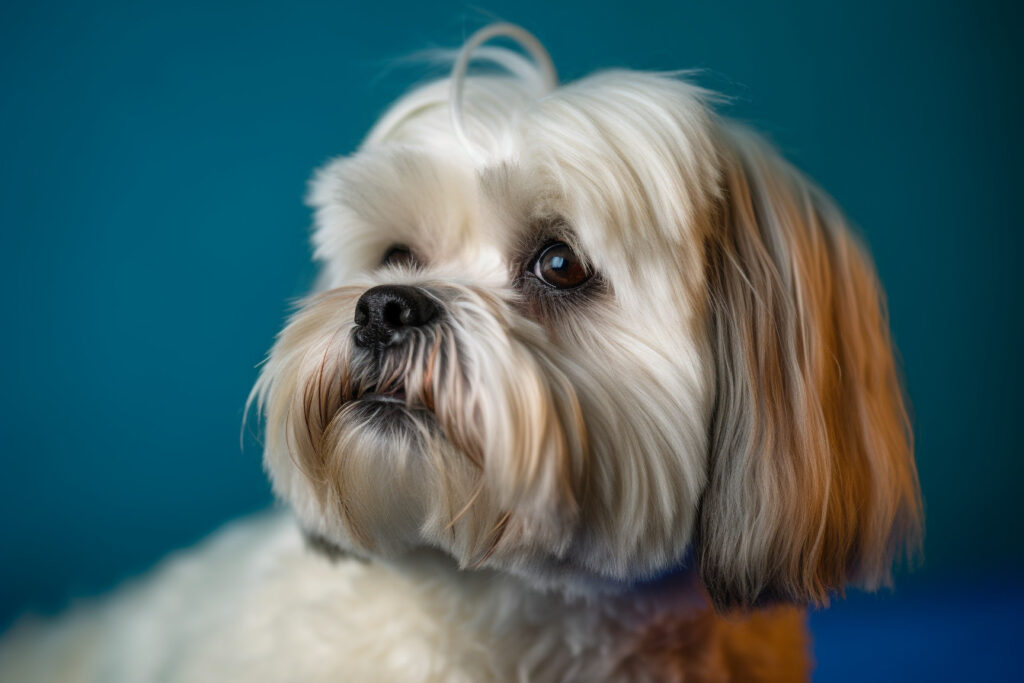
Lhasa Apsos don’t shed, we hear them declare at dog parks with the confidence of someone who’s never actually owned one. This is perhaps the most persistent myth about our beloved breed, right up there with “they’re hypoallergenic” and “they’re basically furniture that occasionally barks.” Let us set the record straight: Lhasas absolutely do shed. The real surprise is that people are still surprised by this.
The Great Shedding Myth Debunked
When breeders tell prospective owners that Lhasas are non-shedding, what they really mean is that they don’t shed in the way that, say, a Labrador does. Golden Retrievers leave your sofa looking like a furry snow globe each spring. Lhasas are more refined about it. Their shedding is a year-round affair of small, almost apologetic clusters rather than dramatic walls of fur tumbling across your kitchen floor. But make no mistake: those strands do appear, and they appear with remarkable persistence.
The confusion largely stems from the difference between shedding and moulting. Lhasas have hair, not fur, which means each strand grows continuously rather than cycling through distinct growth phases. This does mean less dramatic seasonal shedding than double-coated breeds. However, if you’re expecting zero loose hairs, you’re setting yourself up for disappointment, rather like expecting a toddler to sit quietly during a haircut.

How Much Do They Actually Shed?
A properly maintained Lhasa Apso sheds minimally compared to other breeds, but the catch (and there’s always a catch) is that maintaining them requires genuine commitment. An unmaintained coat, however, becomes a matted nightmare that sheds exponentially more than a well-groomed one. It’s rather like not washing your hair for six months and wondering why it’s suddenly falling out in clumps.
The shedding you’ll experience varies wildly depending on grooming frequency. A Lhasa Apso visited by a groomer every six to eight weeks will shed noticeably less than one groomed every few months. Those loose hairs get captured and removed during bathing, brushing, and professional grooming sessions. If you’re not grooming regularly, those hairs aren’t disappearing; they’re simply making friends with your furniture and your vacuum cleaner.
The Seasonal Pattern: When Lhasas Make Their Move
Though not as pronounced as true double-coated breeds, Lhasas do show seasonal shedding patterns. Spring typically brings the heaviest shedding, when the coat prepares for warmer weather. Autumn sees a second, slightly lighter wave as the coat thickens for winter. These periods aren’t dramatic, but they’re noticeable enough that your brush will collect considerably more hair than usual.
The best time to manage seasonal shedding is during these peak periods. Increasing grooming frequency to twice weekly (or using a slicker brush and metal comb at home) will capture far more loose hair before it decides to relocate itself to your sofa. Think of it as preemptive strike grooming. Catch it early, and you’ll hardly notice the season changing.
Grooming: The Real Secret to Managing Shedding
Here’s the uncomfortable truth: you cannot manage Lhasa Apso shedding without proper grooming. It’s mathematically impossible. If you own a Lhasa and are unwilling to brush regularly, you’ll end up with matting, which leads to professional grooming that removes large chunks of coat, which leads to accelerated regrowth and increased shedding. It’s a self-inflicted spiral of fur.
Daily brushing is the gold standard. We know it sounds excessive, but consider your alternatives: daily brushing or dealing with felted sections of matted coat that require painful extraction. Most Lhasa owners find that three to four sessions per week is the sweet spot that prevents matting whilst remaining sanely achievable. Each session need only take fifteen minutes if you’re using proper technique and the right tools.
Professional grooming every six to eight weeks removes dead hair that your home grooming efforts might miss. This is not a luxury or a vanity decision. It’s maintenance, rather like servicing your car. Your groomer can also identify early matting problems and address them before they become the sort of serious tangle that requires the nuclear option of a full shave-down.
Understanding Different Grooming Styles
Interestingly, your choice of grooming style directly impacts shedding management. The full show coat (what Poppy sports when she’s feeling particularly glamorous) requires daily maintenance but sheds less frequently because it’s so thoroughly brushed. Puppy cuts and shorter maintenance clips shed more noticeably but require less frequent brushing. It’s a trade-off: more labour for less shedding, or less labour for more shedding.
If shedding is your primary concern, consider a shorter clip. Learn more about your options in our guide to grooming styles from puppy cut to show coat. A well-maintained short coat sheds, certainly, but the individual hairs are shorter and less noticeable. You’ll also find grooming sessions take considerably less time, which means you’re more likely to maintain the schedule consistently.
Nutrition and Coat Health
A healthy coat sheds less than an unhealthy one, which means diet matters. Poor nutrition leads to weak hair that breaks and sheds excessively. A high-quality diet rich in omega fatty acids, protein, and key minerals supports coat strength and reduces unnecessary shedding. You don’t need expensive specialist dog food, but you do need to avoid the cheapest supermarket options.
We’ve reviewed the best dog foods for Lhasa Apsos, and the ones that consistently produce healthy, strong coats are those with good-quality protein sources and added omega-3 and omega-6 fatty acids. Feed well, groom thoroughly, and you’ll find your shedding problems diminish significantly. It’s not magic, but it’s remarkably close.
Is There Such a Thing as Truly Hypoallergenic?
If you’re drawn to Lhasas because someone promised you a hypoallergenic breed, we need to have a difficult conversation. No dog is truly hypoallergenic, though some breeds produce fewer allergens than others. Lhasas shed less than many breeds, but they’re not allergen-free. We’ve explored this in detail in our article on whether Lhasas are hypoallergenic, but the short version is: if you have severe allergies, a Lhasa is a risk, not a guarantee.
That said, if your allergies are mild to moderate, a well-groomed Lhasa might be tolerable for you. Regular grooming and vacuuming make a measurable difference to the allergen levels in your home. It requires commitment, but it’s possible.
Managing Shedding Around Your Home
Beyond grooming, there are practical steps to manage loose hair. A decent cordless vacuum becomes your best friend. Those handheld lint rollers? Invest in several and position them strategically around your home like defensive positions in a military campaign. Dark clothing shows Lhasa hair dramatically (it’s almost intentionally visible), whilst light fabrics hide it reasonably well, for what that’s worth.
Some owners find that keeping their Lhasa on a dedicated blanket or mat in high-traffic areas reduces the psychological impact of shedding. You can wash that blanket weekly rather than shampooing your entire sofa. It sounds defeatist, but it’s actually rather practical. You’re not eliminating shedding; you’re managing expectations and controlling the chaos.
The Bottom Line
Lhasa Apsos are not non-shedding dogs. They’re moderate shedders compared to many breeds, but shedding still happens. This is manageable, even pleasant once you accept that regular grooming is simply part of Lhasa ownership. Think of it as spa day for your dog rather than as a tedious chore, and you’ll find the whole experience more enjoyable.
Brush regularly, groom professionally, feed well, and your shedding problems will shrink to practically invisible levels. Ignore these requirements, and you’ll find your home gradually transforms into a Lhasa-fur snowglobe. The choice is yours, but we rather think Poppy would vote for the grooming routine.
Important information
Information provided by LhasaLife should not be taken as professional veterinary advice or clinical advice. It is important to consult a licensed veterinarian for any health concerns or issues with your pet. The content of the article Understanding shedding in Lhasa Apsos: How to manage and reduce it should not be used as a substitute for veterinary care, or treatment advice for you or your pet, and any reliance on this information is solely at your own risk.
This article may contain affiliate links, meaning we may earn a small commission at no extra cost to you if you purchase through these links. Affiliate links do not necessarily imply an endorsement of the product by LhasaLife. However, we only share products we believe could be helpful to you and your beloved Lhasa Apso. Your support helps us keep the website running and full of useful content.

Very Helpful!
Thank you