

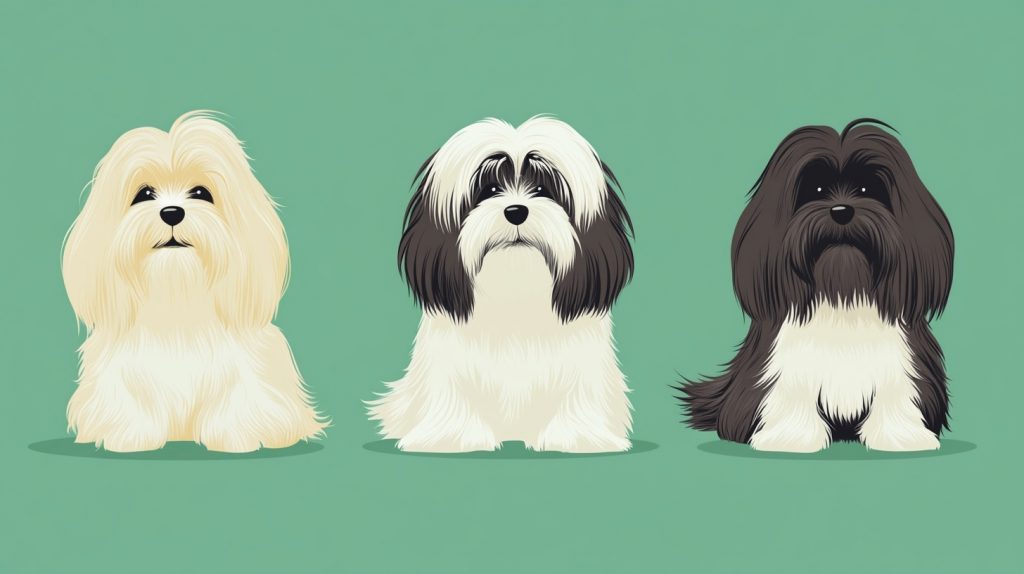
One of the best things about the Lhasa Apso breed is the sheer variety of colours they come in. Walk into any Lhasa meet-up (yes, they exist, and they are glorious) and you will see golds, blacks, whites, creams, greys, and everything in between. No two Lhasa Apsos look quite the same, which is part of what makes them so striking.

But what colours are officially recognised? Which ones are rare? And why does your Lhasa look completely different now compared to when they were a puppy? Let us break it all down.
Recognised Lhasa Apso colours
The Kennel Club in the UK accepts all colours for the Lhasa Apso. That is right, all of them. Unlike some breeds that have strict colour standards, the Lhasa Apso is a wonderfully flexible breed when it comes to coat colour. The AKC (American Kennel Club) takes the same approach.
That said, some colours are far more common than others. Here are the ones you will see most often.
Gold and honey
This is probably the colour most people picture when they think of a Lhasa Apso. A rich, warm golden tone that can range from pale honey to deep amber. Poppy is a golden girl, and we are slightly biased, but we think it is the most beautiful colour a Lhasa can be. Golden Lhasas often have darker tips on their ears and along the back, giving a lovely depth to the coat.
White and cream
Pure white Lhasa Apsos are absolutely stunning, though they do require a bit more grooming effort to keep looking pristine. Cream Lhasas have a slightly warmer undertone. Both are relatively common and look particularly regal with a full-length show coat. The downside? Every muddy puddle in a five-mile radius will find them.
Black
A solid black Lhasa Apso is a head-turner. The coat has a beautiful glossy sheen when well-maintained, and the contrast with their dark eyes gives them an almost mystical look. Black Lhasas are less common than golds and creams but not what you would call rare. They sometimes develop a slightly reddish tinge to the coat as they age, which is perfectly normal.
Grizzle
Grizzle is a mix of dark and light hairs throughout the coat, giving a salt-and-pepper effect. It is one of the more distinctive Lhasa colours and looks fantastic as the dog matures. Grizzle Lhasas often darken or lighten significantly over the first few years, so do not be surprised if your grizzle puppy looks completely different by the time they are three.
Slate and dark grey
Grey Lhasa Apsos have a cool, sophisticated look. The shade can range from pale silver to deep charcoal. These colours are less common and sometimes appear as a puppy transitions from a darker coat to a lighter one. A grey Lhasa with a well-maintained coat is genuinely one of the most elegant-looking dogs you will ever see.
Brown and liver
True brown or liver Lhasa Apsos are on the rarer side. They have a warm chocolate tone that extends to the nose and eye rims, which are brown rather than the usual black. If you spot a liver Lhasa, you are looking at something quite special.
Parti-colour and multi-colour
Many Lhasa Apsos are not a single solid colour at all. Parti-colour Lhasas have two or more distinct colours, often white combined with gold, black, or brown patches. Multi-coloured coats are extremely common in the breed and perfectly accepted by the Kennel Club.
Why your Lhasa Apso’s colour changes
This catches a lot of new owners off guard. You bring home a dark brown puppy and two years later you have a cream-coloured adult. What happened?
Lhasa Apsos are notorious for colour changes as they mature. A puppy’s coat colour is almost never the final colour. Most Lhasas lighten significantly during their first two to three years. Dark gold puppies often become pale honey. Black puppies can develop grey or silver tones. Some breeders can predict the adult colour based on the parents, but even they get surprised sometimes.
This colour change is completely normal and has nothing to do with health. It is simply how the breed works. We have seen it firsthand with Poppy, who was a noticeably darker gold as a puppy than she is now.
Do Lhasa Apso markings affect temperament?
Short answer: no. There is no scientific evidence that coat colour affects a Lhasa Apso’s personality. Your black Lhasa is not more mysterious than your golden one. Your white Lhasa is not calmer than your grizzle. Temperament in Lhasa Apsos is shaped by genetics, socialisation, training, and individual personality, not by the colour of their fur.
That said, you will find no shortage of owners who swear their particular colour of Lhasa is the sassiest, the most stubborn, or the most dramatic. We are all biased towards our own dogs, and that is fine.
Grooming and colour maintenance
Whatever colour your Lhasa Apso is, the coat needs regular maintenance. White and cream dogs show staining more easily, particularly around the eyes and mouth. A good grooming routine keeps the coat colour looking its best regardless of shade.
Tear staining is more visible on lighter-coloured Lhasas, but it happens to all of them. Keep the face clean, use a gentle tear stain remover if needed, and stay on top of regular brushing to prevent matting.
Does colour affect price?
Sometimes. Rarer colours like liver or solid black can command higher prices from breeders, while more common shades like gold and cream are typically at the standard price point. Be cautious of any breeder charging a massive premium for a “rare” colour, though. A responsible breeder prioritises health, temperament, and breed standard over producing fashionable colours.
The most important thing when choosing a Lhasa Apso is that the dog comes from health-tested parents with a good temperament. The colour is just the icing on the cake.
What colour is your Lhasa Apso? Has their coat changed since they were a puppy? We would love to see your photos and hear your colour change stories in the comments below.
Important information
Information provided by LhasaLife should not be taken as professional veterinary advice or clinical advice. It is important to consult a licensed veterinarian for any health concerns or issues with your pet. The content of the article Lhasa Apso colours and markings explained should not be used as a substitute for veterinary care, or treatment advice for you or your pet, and any reliance on this information is solely at your own risk.
This article may contain affiliate links, meaning we may earn a small commission at no extra cost to you if you purchase through these links. Affiliate links do not necessarily imply an endorsement of the product by LhasaLife. However, we only share products we believe could be helpful to you and your beloved Lhasa Apso. Your support helps us keep the website running and full of useful content.





Comments