


The Lhasa Apso
4,000 years of guarding monasteries. Opinions included as standard. Obedience sold separately.
People look at a Lhasa Apso and see a small, fluffy lap dog. They are wrong. What they’re looking at is a Tibetan watchdog with a thousand-yard stare and the confidence of something four times its size.
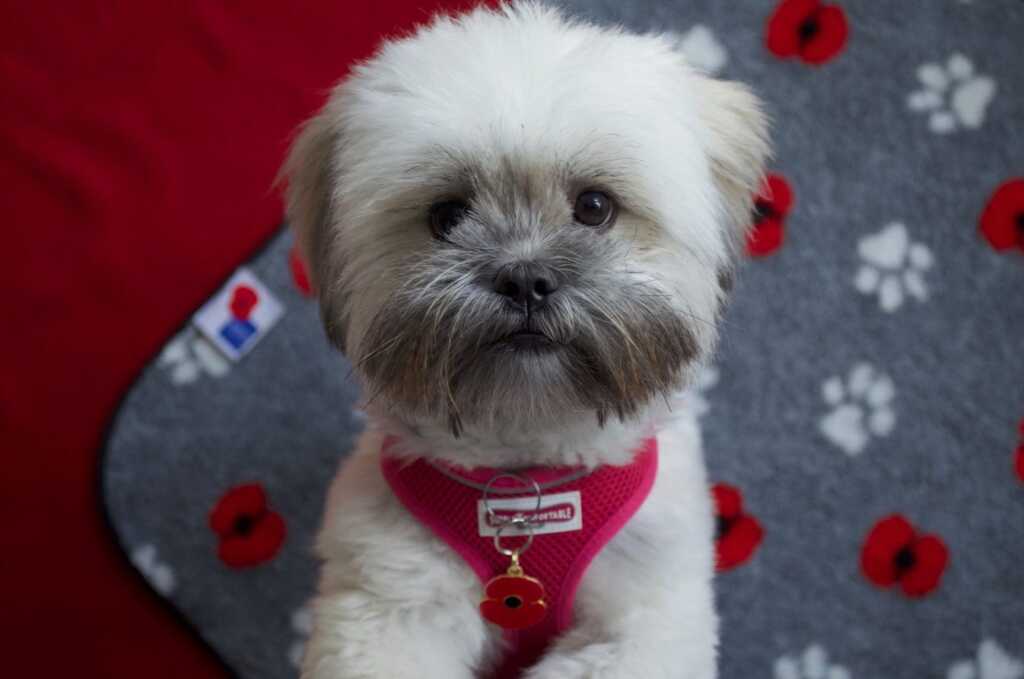
Our girl Poppy has been running the LhasaLife household since Christmas Eve 2015. Everything in this guide comes from living with the breed, not just reading about it. The good stuff, the tricky stuff, and the bits nobody warns you about.

At a glance
What they’re actually like to live with
They think before they act
▼Lhasas aren’t reactive. There’s calculation behind everything. They hear a sound, assess the threat level, and respond accordingly. The postman gets full volume. A car door three streets away gets a low grumble. Your partner coming home from work gets a single acknowledging glance.
Want to understand it better? Read why your Lhasa barks so much. Spoiler: it’s a 4,000-year-old alarm system doing its job.
Loyal, not clingy
▼Poppy follows us room to room and keeps half an eye on things at all times. But she doesn’t need to be on your lap. She doesn’t whine at the door when you leave. She’s loyal in a quiet, dignified way that some people mistake for aloofness.
They do pick their person, though. Every Lhasa has a favourite human, and they’re not subtle about it.
Suspiciously clever
▼Not in a border collie “47 tricks” way. In a “I know which cupboard the treats are in and what time dinner is” way. Poppy figured out that sitting next to the person eating cheese gets results. Nobody taught her that.
Give them puzzle toys and they’ll crack them faster than you’d expect. Then look at you like you’ve insulted them with something so easy.
They judge. Constantly.
▼New people get assessed. New dogs get assessed. New furniture gets assessed. If a Lhasa could write Tripadvisor reviews, every entry would start with “Adequate, but room for improvement.”
It’s not a flaw. It’s the watchdog instinct. They were bred to decide who belongs and who doesn’t.
Brave out of all proportion
▼A Lhasa doesn’t know it’s small. Poppy has squared up to dogs ten times her size with an expression that clearly communicates “I was guarding Himalayan monasteries before your breed existed.” Not aggressive. Just not backing down.
Surprisingly sensitive
▼Underneath the stubbornness, Lhasas are emotionally tuned in. They pick up on moods and tension faster than you’d expect. Poppy knows when someone’s having a bad day and positions herself nearby without making a fuss. Not on your lap. Just close enough.
Raised voices bother them. Chaos upsets them. If that sounds like a concern, read about anxiety in dogs.
Where they come from
These weren’t bred to herd sheep or fetch sticks. They were bred to guard Buddhist monasteries in the Himalayas. For over 4,000 years, Lhasas worked as indoor sentinels, listening for anything suspicious and barking to alert the Tibetan Mastiffs outside. The fact that they weighed 7kg was apparently beside the point.
In Tibetan culture, Lhasas were sacred. You didn’t buy one. You were given one by a monk or noble, and it was a serious honour. Some Tibetans believed they carried the souls of monks who hadn’t yet reached nirvana.
The Western world didn’t get hold of Lhasas until 1933, when the 13th Dalai Lama sent a pair to an American naturalist. The Kennel Club had recognised the breed in 1908, but they remained incredibly rare outside Tibet for decades.
Old habits die hard
Poppy still circles her bed before lying down, positions herself where she can see the door, and alerts us to every unusual sound. Including next door putting their bins out. 4,000 years of instinct doesn’t switch off because you’ve got a nice sofa.
Temperament and personality
The Lhasa temperament either makes people fall head over heels or decides it’s not for them. No middle ground.
Independent thinkers
Nobody stood over them in those monasteries telling them when to bark. They figured it out themselves. That independence hasn’t gone anywhere. Poppy knows “sit,” “stay,” “come,” and “leave it.” She performs them beautifully when she agrees with the timing. When she doesn’t, she gives you a look that says “I heard you, I understood you, and I’ve decided no.”
This trips up first-time owners who expect Labrador-style obedience. A Lhasa respects you. They don’t worship you.
Selective with strangers
If you want a dog that greets every visitor like a long-lost relative, get a Golden Retriever. New guests get a thorough visual inspection, possibly a cautious sniff, then either gradual warming or a complete blanking depending on whether the Lhasa decides they’re worth the effort.
What they look like
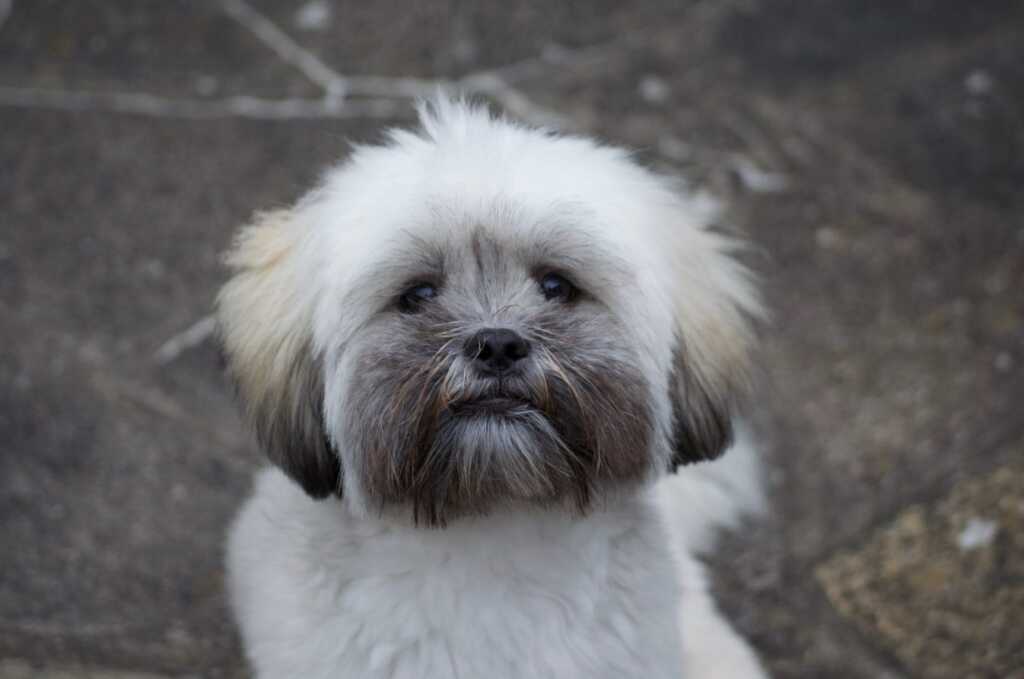
Compact, low to the ground, and deceptively solid. That hair hides more dog than you’d think. The coat is the first thing everyone notices: floor-length in show condition, heavy, straight, and parted down the spine. It comes in practically every colour going. Golden, honey, cream, slate, black, white, sandy, parti-colour, grizzle.
They don’t shed in the traditional sense, which is why some people call them hypoallergenic. The dead hair gets trapped in the coat instead of falling out, which is why matting is a constant battle.
Part the fringe and you’ll find a face with real character. Dark, watchful eyes. Feathered pendant ears. A slight underbite that gives them an almost human expression, especially when they’re judging something. Poppy’s underbite gets more pronounced when she’s feeling smug, which is most of the time.
Health and lifespan
This is one of the breed’s real selling points. Lhasas typically live 12-15 years, and plenty reach 17 or 18. Some have made it past 20. For the full breakdown, see our lifespan guide.
What to watch for: eye conditions (PRA, dry eye, cherry eye), patellar luxation, kidney problems in some lines, and skin allergies. None guaranteed, but knowing what to look for means you catch things early.
A well-bred Lhasa from health-tested parents has an excellent chance of a long, healthy life. This isn’t a 10-year commitment. It’s a 15-year one, possibly longer.
The practical stuff
Grooming
▼Let’s not sugar-coat this. A full show coat means daily brushing, section by section, right down to the skin. Most owners go with a shorter puppy cut, which still needs brushing two or three times a week, a bath every few weeks, and professional grooming every six to eight weeks.
Prevention beats cure every time. A mat-free Lhasa is a happy one. We’ve covered preventing matting in detail. And for the dog’s perspective on grooming day, Poppy has strong opinions.
Beyond the coat: ears checked weekly, nails trimmed regularly, teeth brushed daily if you can manage it, and the eye area kept clean to prevent tear staining.
Exercise
▼Not a high-energy breed. 30-45 minutes of walking a day is plenty for most adults. Puppies need less. Senior Lhasas will let you know when they’ve had enough by simply stopping and refusing to move.
They have bursts: short, intense episodes of sprinting around the house at full speed for no reason, followed by hours of dignified rest. Poppy’s daily energy expenditure consists of roughly eight minutes of chaos and the rest sleeping in strategic locations.
Mental stimulation matters more than physical exercise. A bored Lhasa will start making its own entertainment, and you won’t like what they choose. Watch them in heat too. That coat insulates, and they overheat faster than you’d think.
Training
▼Training a Lhasa is not like training a people-pleasing breed. It requires patience and a willingness to accept that your dog is going to negotiate every single request.
What works: positive reinforcement, short sessions (ten minutes beats thirty), absolute consistency across the whole household, and treating them like a thinking partner rather than a subordinate. They respond to food rewards and praise. They do not respond to punishment, shouting, or physical correction. At all.
Socialisation: start early, keep going. Puppy classes, different environments, new people, other dogs. The goal isn’t to make them love everyone. It’s to make them handle new situations calmly rather than defaulting to suspicion.
Feeding
▼High-quality food with good protein content. Dry, wet, raw, or a mix. Some Lhasas have sensitive stomachs. Poppy will eat anything placed in front of her, which is why portion control exists. We’ve got a full guide on the best food for Lhasa Apsos.
They gain weight easily, especially with treats on top of meals (and they will get treats, because they’ve perfected the art of looking underfed). You should be able to feel their ribs without pressing hard. Half a kilo extra on a 7kg dog is a couple of stone in human terms.
Finding a Lhasa Apso
Whether you buy or adopt, take your time. This is a 15-year commitment with a very specific personality.
From a breeder
Good ones health test their dogs, socialise their puppies, ask you as many questions as you ask them, and stay available for the life of the dog. They’ll have waiting lists. Be wary of anyone with puppies constantly available and no health testing. We’ve covered the state of Lhasa breeding in the UK and it’s not always pretty.
Rescue and adoption
Lhasas do end up in rescue, often because people didn’t understand the breed. An adult rescue Lhasa can be a brilliant option: you skip the puppy chaos, you know their personality, and you’re giving a home to a dog that deserves one.
Is a Lhasa Apso right for you?
They’re not for everyone. A Lhasa suits you if you want genuine character over blind obedience, you’re patient with an independent streak, and you’re ready for the grooming. They’re less suited to homes with very young children or anyone who considers “because I said so” a training philosophy.
If you’ve read all of this and you’re still thinking “yes, that’s exactly what I want,” then you’re probably a Lhasa person. Welcome. Poppy will assess you shortly.
Keep exploring
From practical care guides to Poppy’s latest tales.